In 2009, the Notts BAG partnership decided amongst its membership that we should start taking action on monitoring and controlling invasive non-native species within the county. This work has been carried out by various Notts BAG partners on multiple invasive species, as can be seen in the case studies below. Invasive non-native species introduction is the second largest threat to biodiversity globally, with the first being habitat loss. These introductions can be harmful to our native species in a variety of ways, such as causing an increase in competition and predation, or carrying fatal diseases. Prevention and education is vital in stopping the spread of invasives, but there are already multiple introduced species affecting Nottinghamshire's wildlife. The Nottinghamshire Biodiversity Action Group is obviously committed to protecting our county's biodiversity, and have therefore taken on the task of controlling some Nottingham's most invasive species.
Himalayan Balsam and American Signal Crayfish are currently the main priorities of the BAG, and projects are in progress to control these species. Volunteer work days are run throughout the year in an effort to manage their spread. If you are interested in joining us on one of these sessions, please contact the Biodiversity Officer at biodiversity@nottscc.gov.uk.
Case Studies
Himalayan Balsam
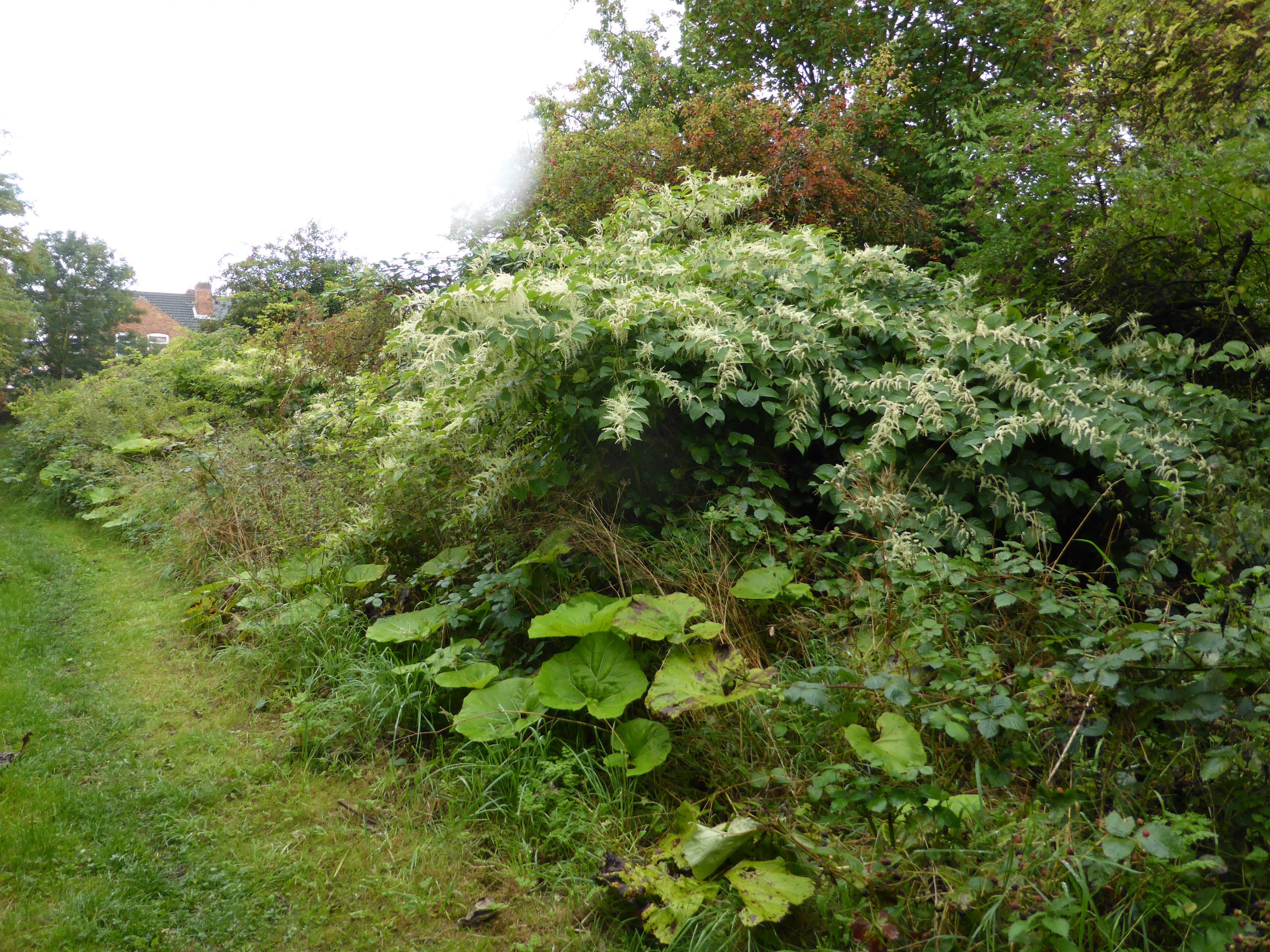
Japanese Knotweed
Floating Pennywort
Rhododendron
Signal Crayfish
Eradication of the crayfish plague carried by American Signal Crayfish has become such a large project for the BAG, that the Nottinghamshire Crayfish Group was set up in 2009. Click here for more information about the effect Signal Crayfish have on our native White-clawed Crayfish.
Giant Hogweed
Water Fern
American Mink
Asian Hornet
Chinese Mitten Crab
Water Primrose
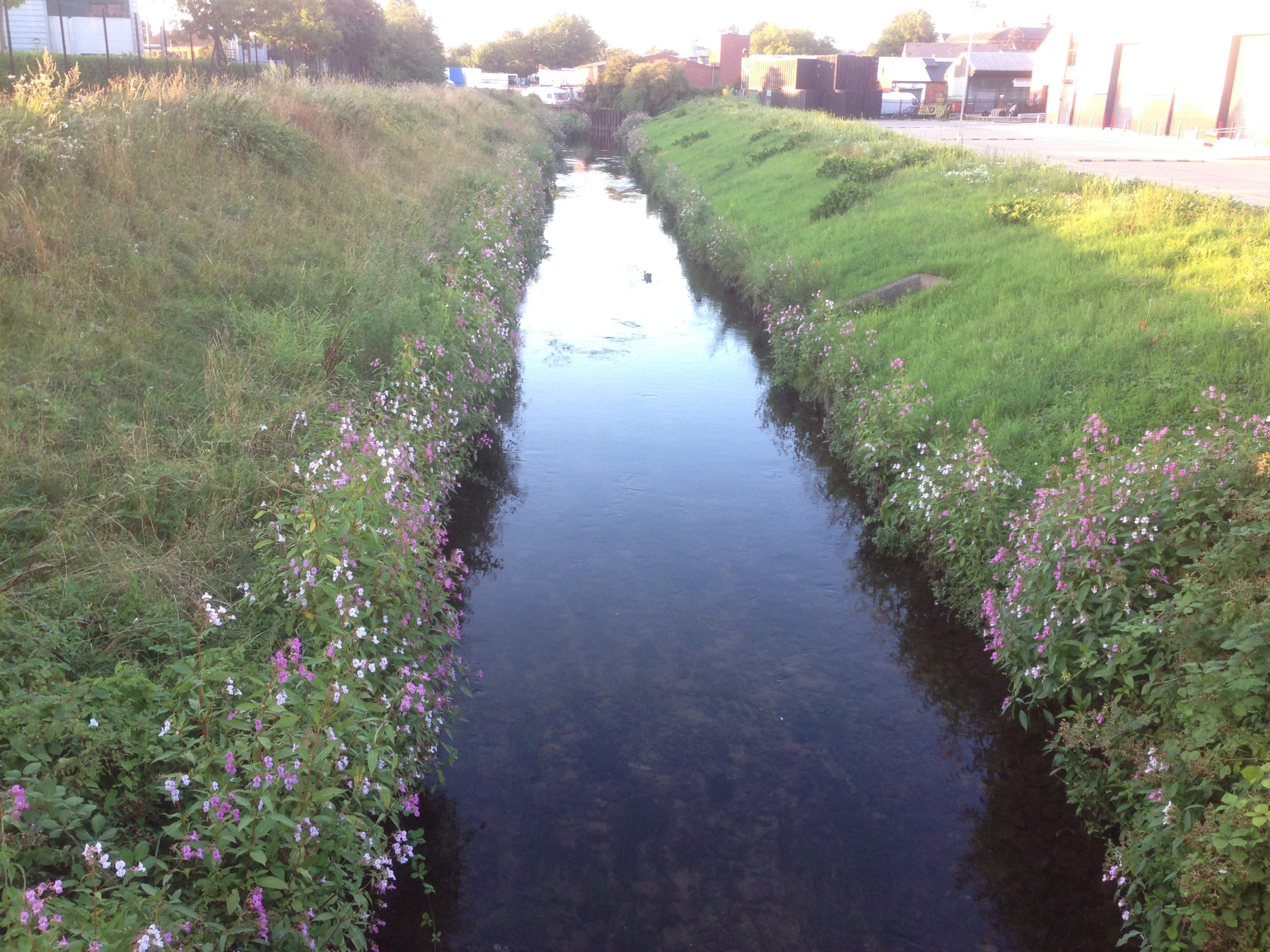
Himalayan Balsam